Our Design Process


Human-centered design (HCD) is a craft and discipline that applies a specific mindset and skillset to a creative problem-solving process, enabling the development of informed, sensitive, inclusive, purposeful, appealing, and innovative solutions.
HCD involves actively engaging with people throughout all stages of design to uncover their lived experiences and contextual needs, enabling the development of informed, inclusive, purposeful, and innovative solutions. This approach prioritizes not only the functionality of outcomes but also their emotional resonance, aiming to create policies, processes, and services that are both effective and meaningfully tailored to the people they serve.
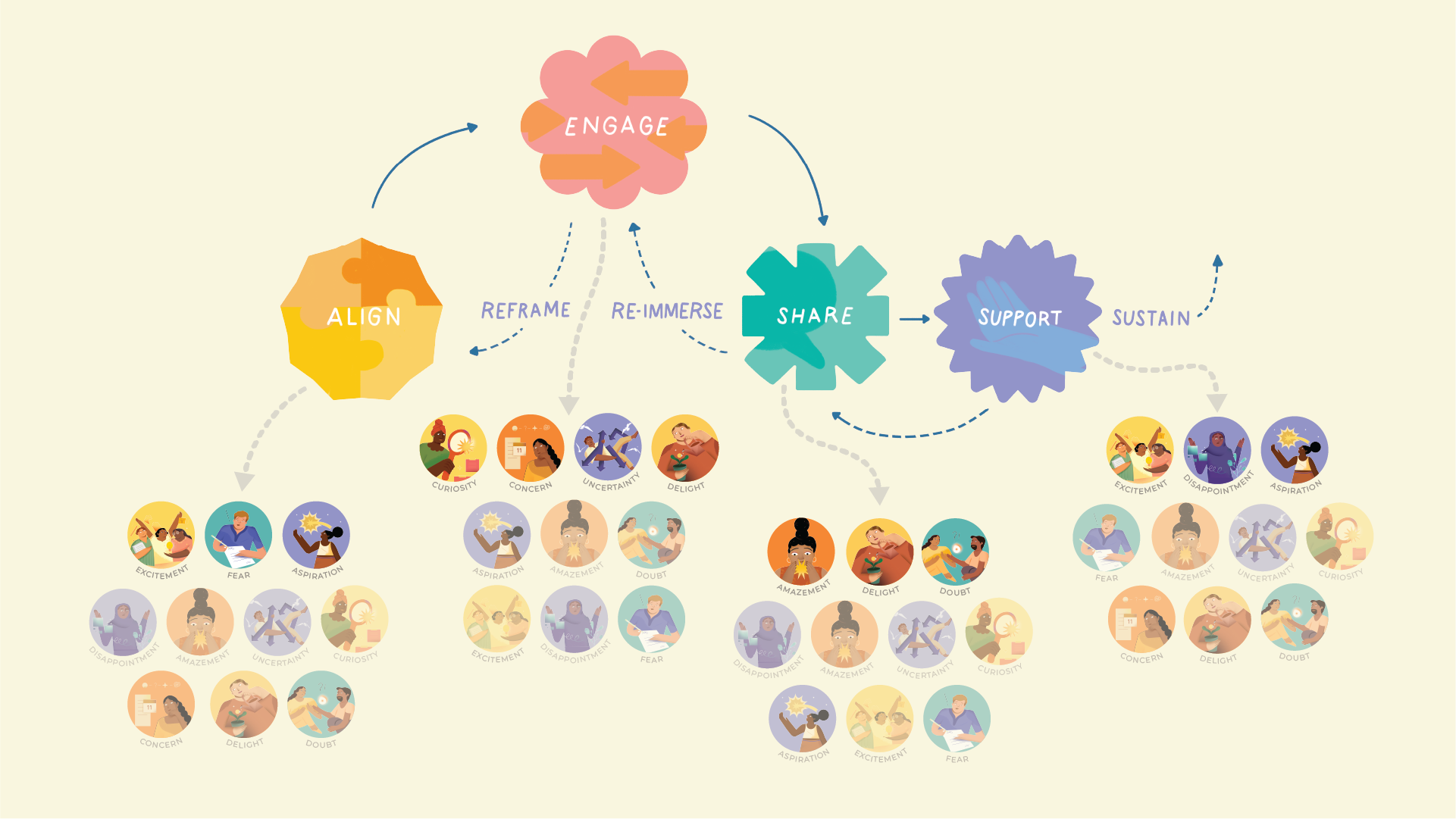
The design process at Catapult Design takes place in four key stages:
Align, Engage, Share, and Support.
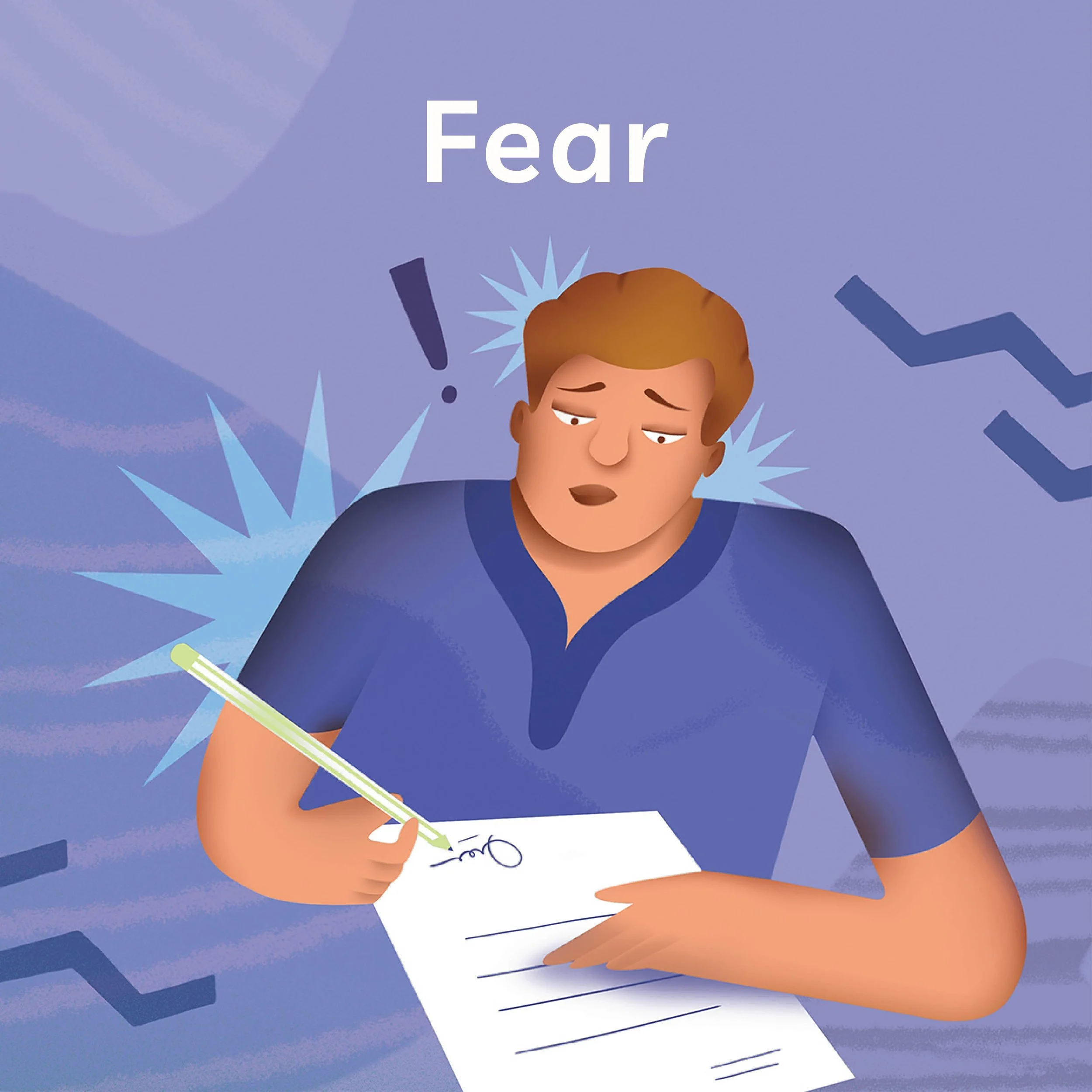
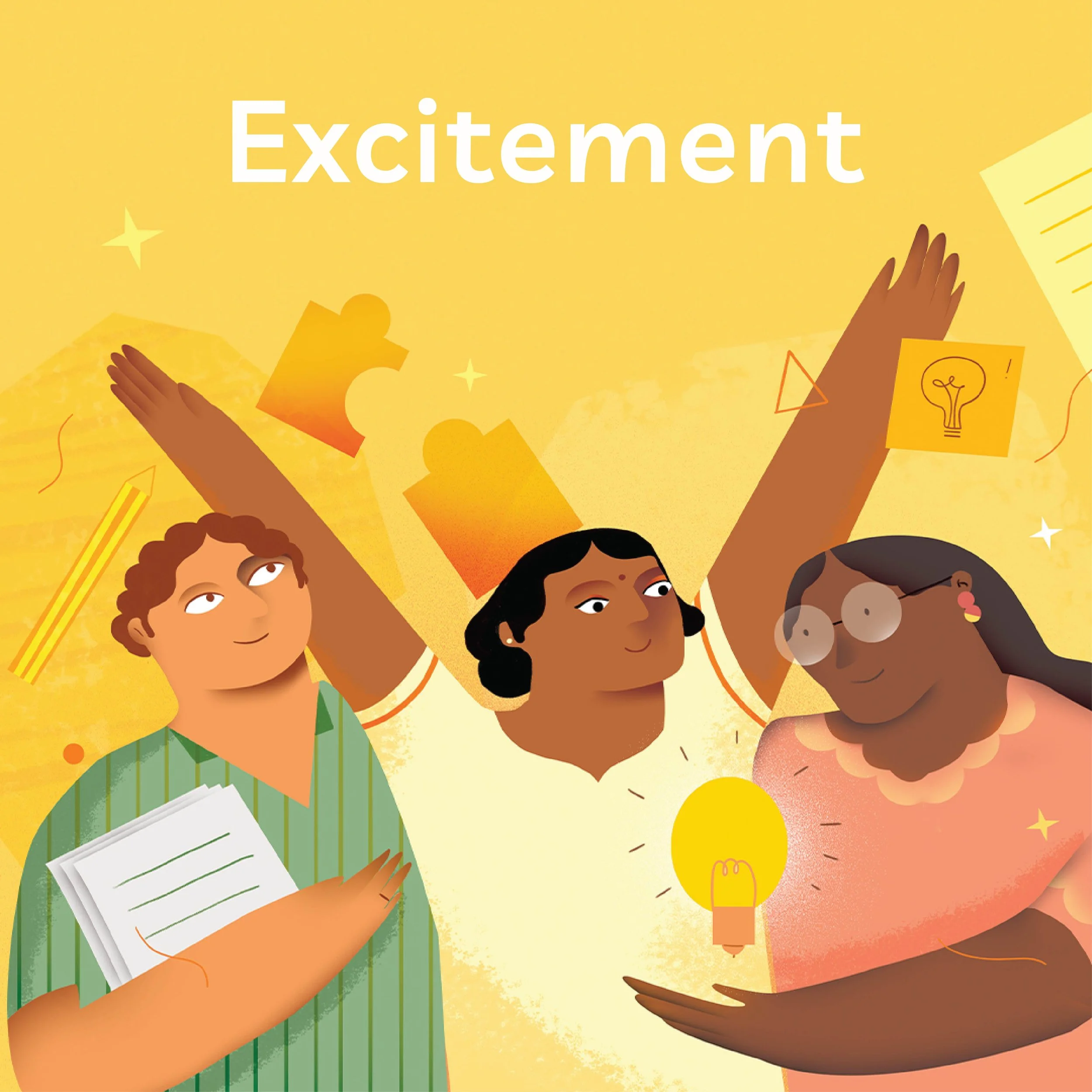
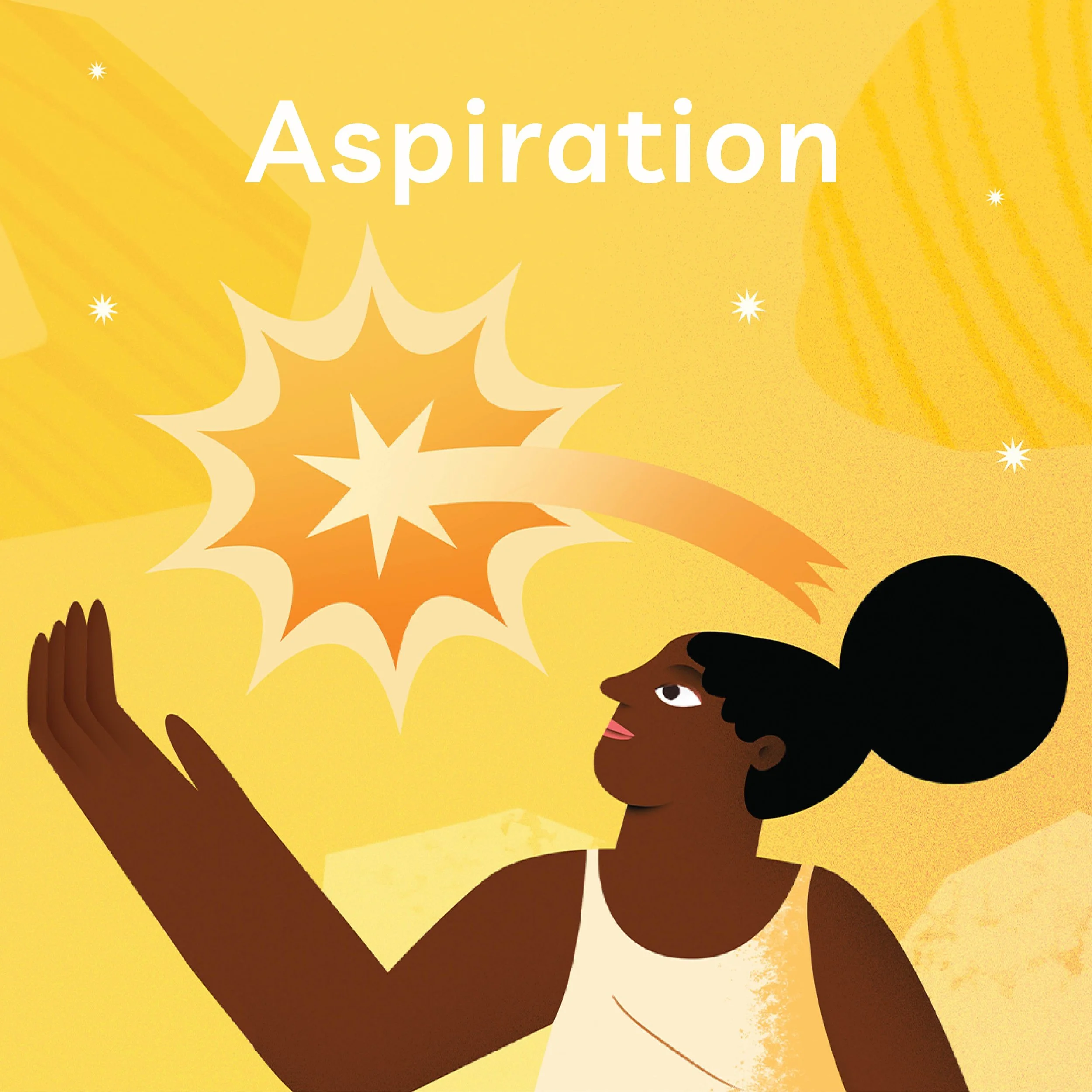
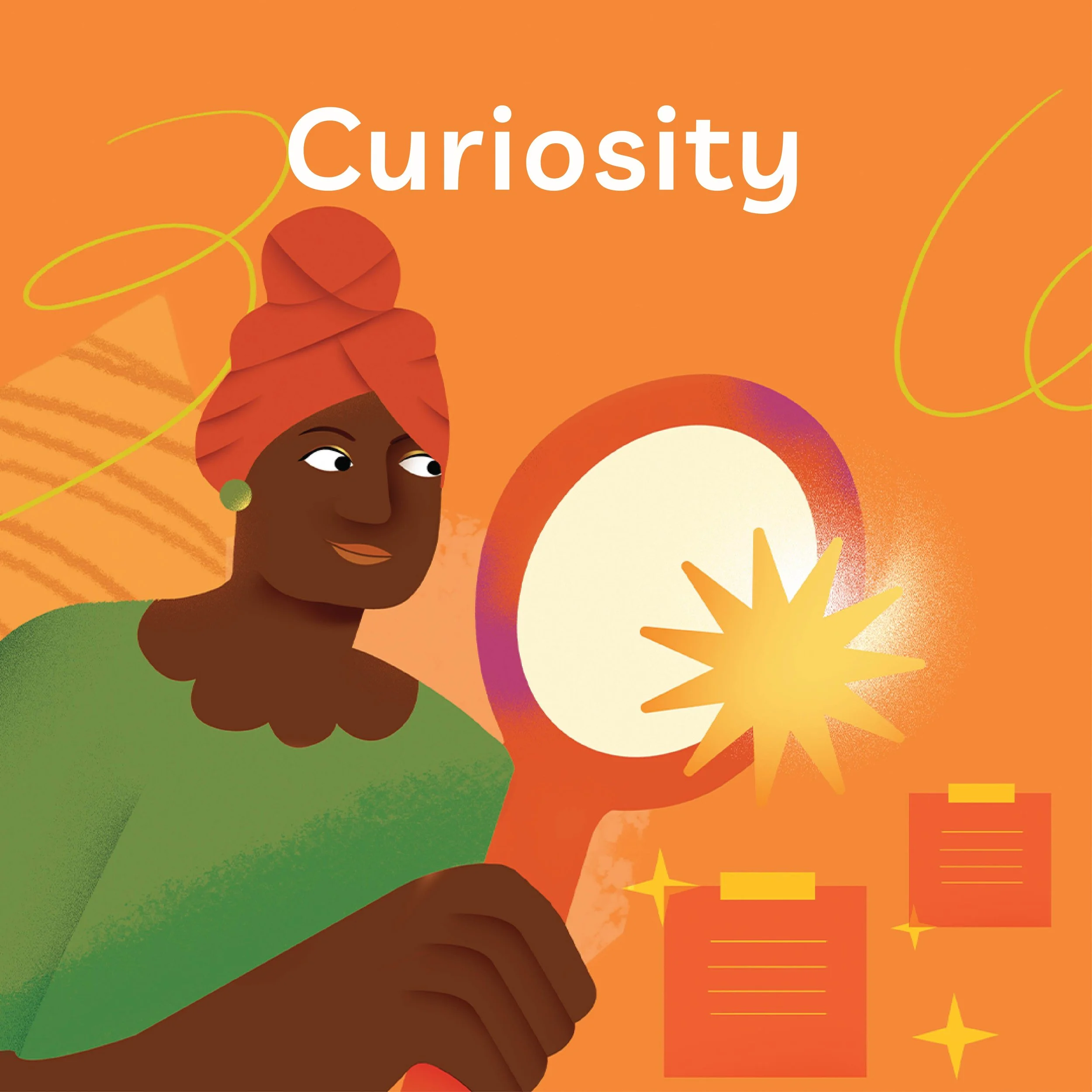
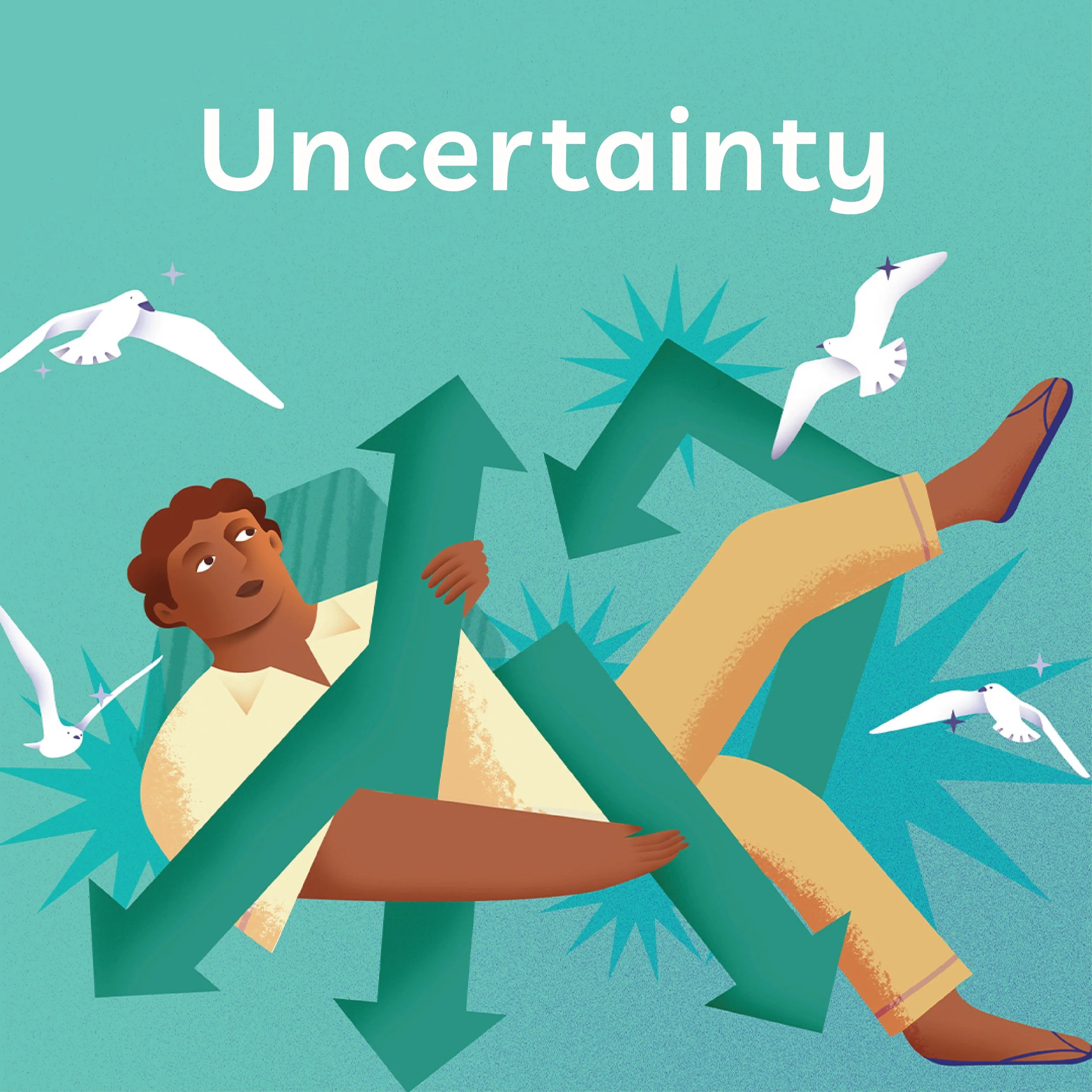
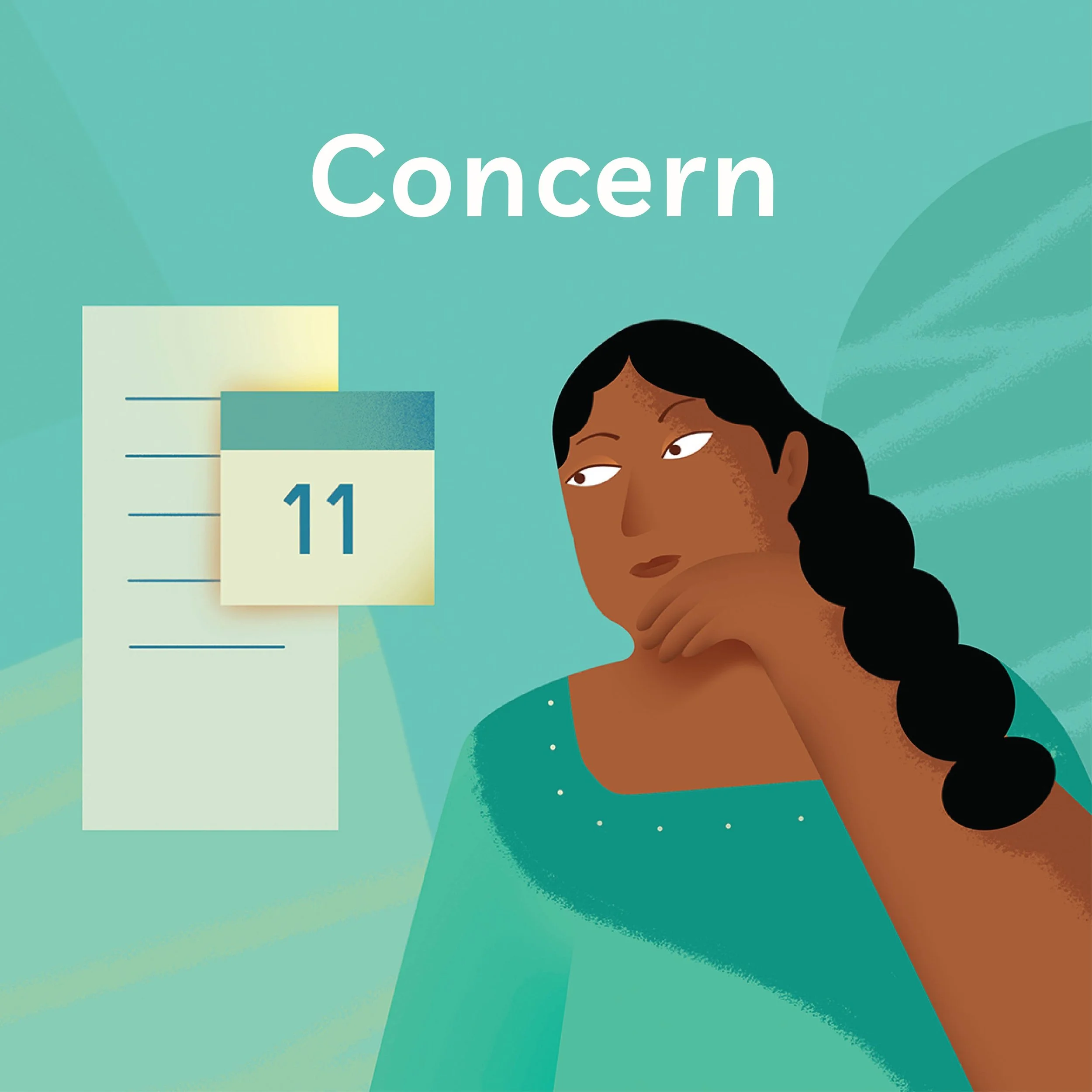
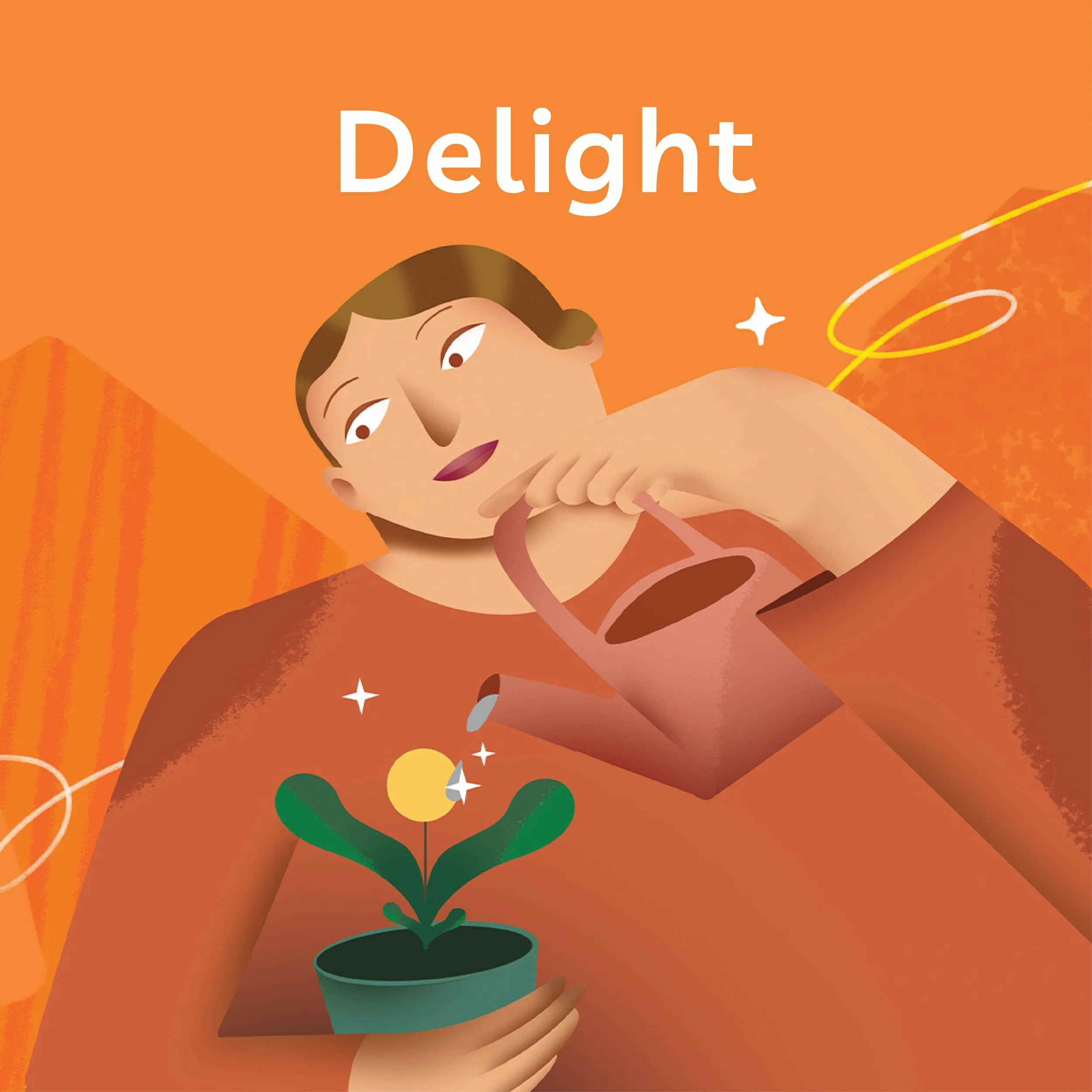
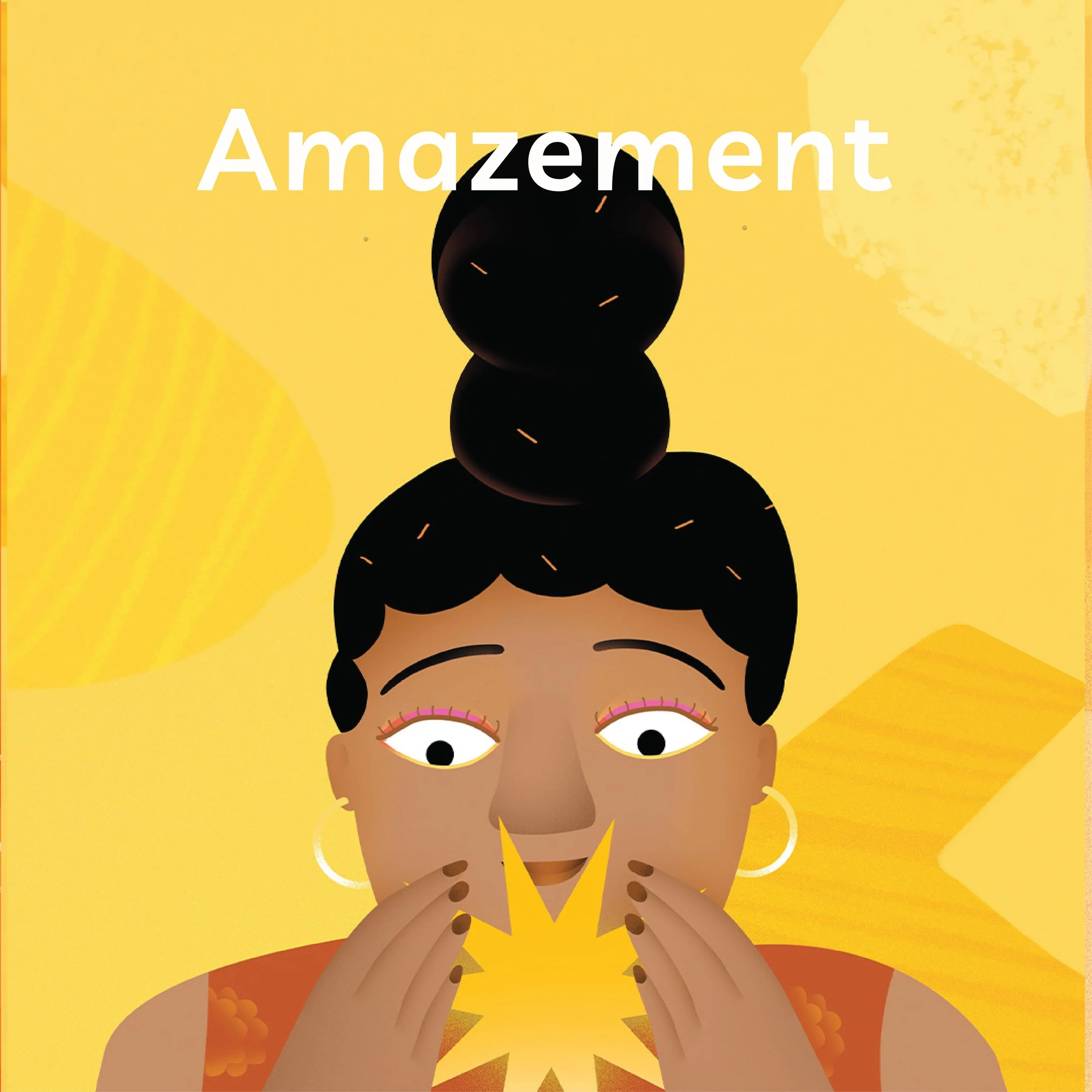
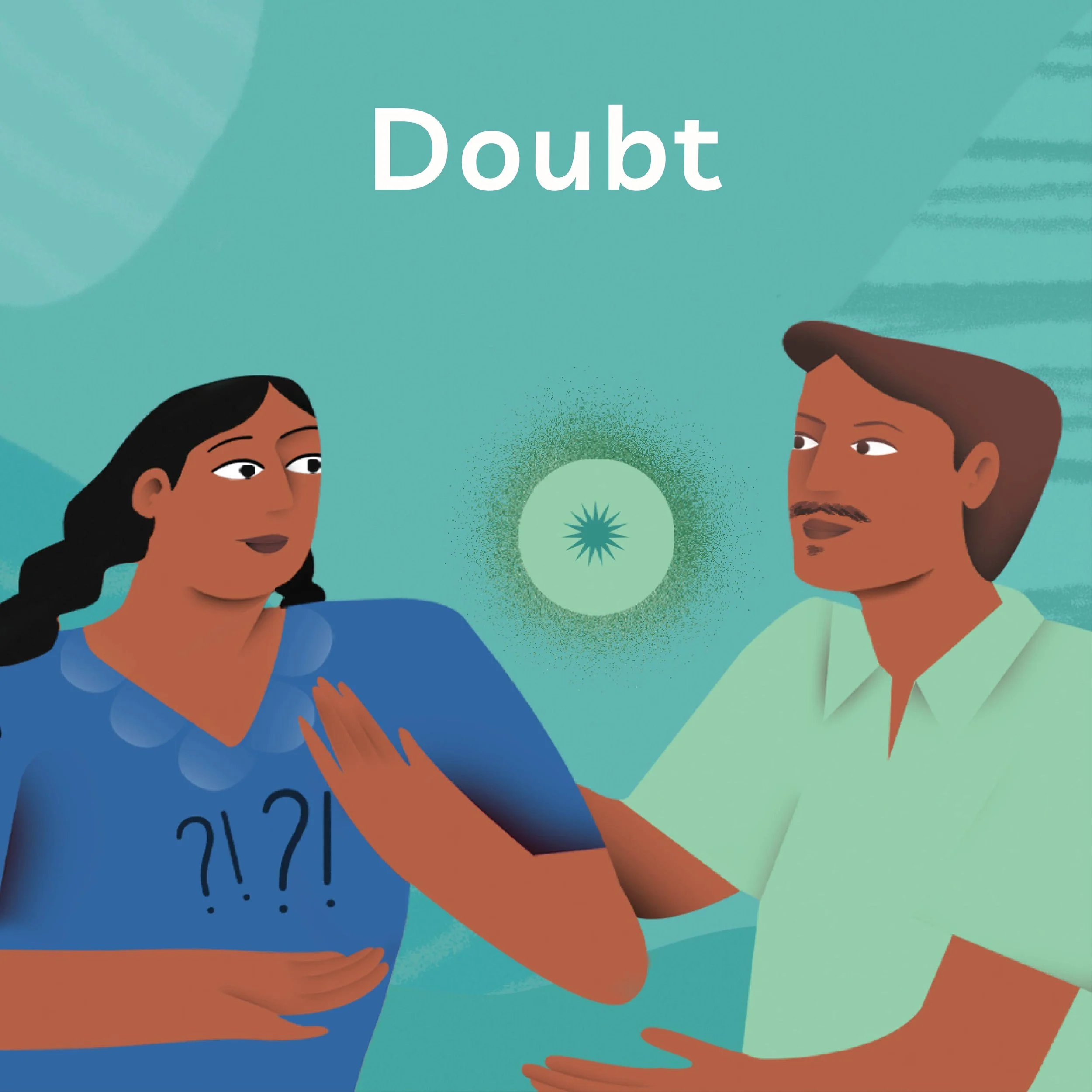
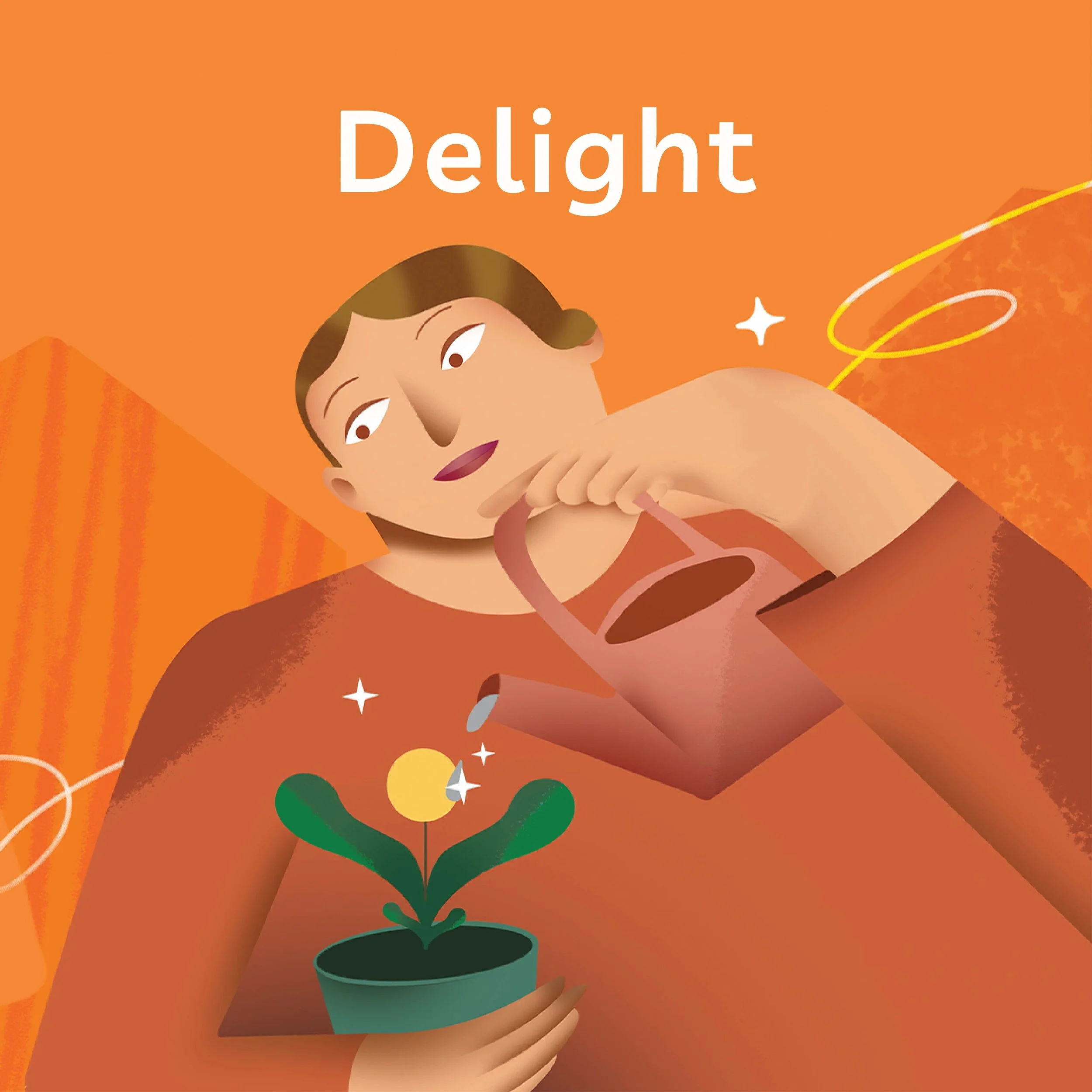
While our four stages provide structure, the design journey is rarely linear. Insights emerge unexpectedly, timelines shift, and relationships evolve. That’s part of the process of change-making. Over time, we’ve seen that emotions like excitement, curiosity, doubt, and amazement aren’t just byproducts of the work, they also serve as signals which reveal where energy lives, where care is needed, and where transformation is possible.
These emotions can arise at any point in the process. Still, we’ve noticed recurring patterns—for example, excitement often sparks the beginning of a project, while doubt may surface during moments of decision-making. Your experience may look different—and that’s okay. If it does, we encourage you to reach out. We’re here to help you navigate the complexity, together.

The Align Phase
Establish a common ground for moving forward
Goal

To develop a shared understanding of the problem context with agreement on project parameters, including scope, roles, timelines, and deliverables with all stakeholders.
Potential Activities
We facilitate workshops and conversations with stakeholders to establish a shared vision for the project. We also conduct secondary research and collaborate with our partners to build a research plan.
Example Outputs
Project Brief outlines the project overview, including the plan, success metrics, and details for stakeholder alignment and project initiation.
Research Plan summarizes secondary research findings, key research questions and co-design activities to be facilitated in the Engage Phase.

EMOTIONS THAT OFTEN ARISE IN THIS PHASE



The Engage Phase
Collectively define problems and identify solutions
Goal
To create solutions that are practical, enduring, and responsive to local needs, with community members affected by the issue contributing their expertise and collaborating as co-designers.
Potential Activities
We conduct research with community participants to re-frame problem areas from their perspectives, identify opportunities and co-create design strategies which we continuously test and refine with community input.

Example Outputs
Ecosystem Map shows the relationships and interactions between different stakeholders within the interconnected system.
Digital Research Platform with AI integration, offers advanced search and analysis features for documented data from research activities.
EMOTIONS THAT OFTEN ARISE IN THIS PHASE



The Share Phase
Share our discoveries and insights
Goal
To enable a clear implementation roadmap for design recommendations, with comprehensive documentation to enable key stakeholders to understand, adopt, and advocate for the proposed solutions.
Potential Activities
We collaborate with the client and community to create implementation roadmaps and develop a communication strategy for broader outreach.

Example Outputs
Audio-Visual Narratives illustrates key insights and stories from the design process in the community's voice.
Project Report documents the design outcomes which includes steps for implementation.
EMOTIONS THAT OFTEN ARISE IN THIS PHASE


The Support Phase
Provide post-project support
Goal

Foster enduring design partnerships among stakeholders that extend beyond the initial collaboration to ensure continued progress and long-term impact.
Potential Activities
We support client readiness with guidance for implementation of design solutions, facilitate reflection conversations to review and celebrate the project, and assess impact to guide future collaborations.
Example Outputs
Future Project Brief identifies potential next steps and opportunities for continued collaboration
Impact Report demonstrates the long-term effects and outcomes of the design work
EMOTIONS THAT OFTEN ARISE IN THIS PHASE