
Disappointment
Reveals Gaps & Invites Recalibration in Design
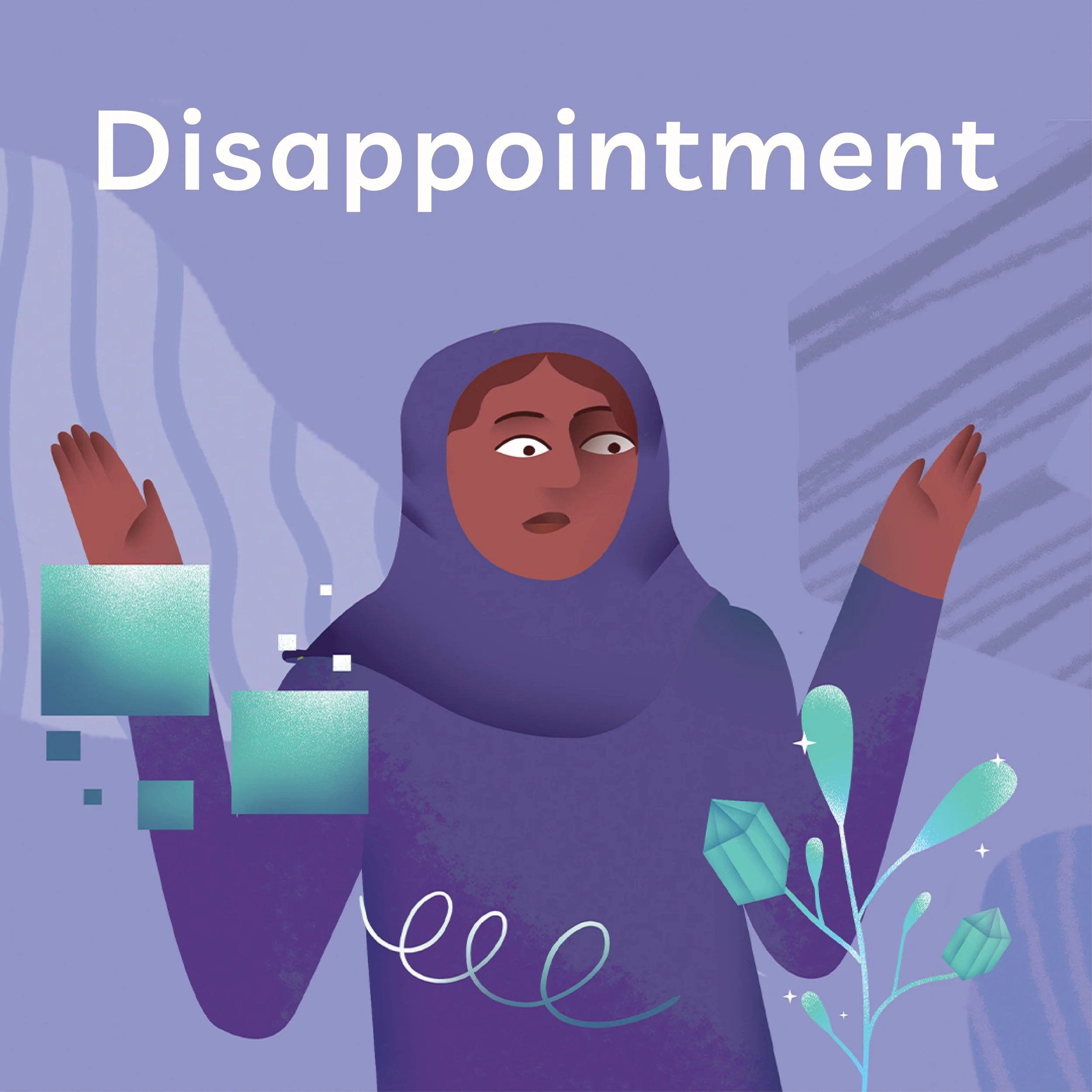
Disappointment often surfaces when there’s a gap between what we hoped would happen and what actually unfolds. It can feel disheartening—especially when a process was followed with care, and outcomes still fall short of expectations. But disappointment also opens a window: an invitation to reflect, recalibrate, and reconnect with what matters most.
When we acknowledge disappointment, we can begin to understand where things went off track—whether it's in communication, feasibility, or alignment of goals. This understanding becomes fuel for iteration, deeper engagement, and building trust with greater intention.
Throughout the design journey,
Disappointment might show up in different ways:
Early expectations aren’t grounded in constraints, making alignment harder later on.
Insights feel repetitive or disconnected from what the community shared.

Outcomes fall short of stakeholder visions or feel less impactful than hoped.
Implementation loses momentum or doesn’t reflect the original vision.
If you are feeling Disappointed, consider:
Naming it Openly
It’s okay to feel let down—naming it creates space for honest reflection, recalibration and forward movement.

Revisiting Expectations
Clarify the hopes, assumptions, or goals that may have been unrealistic or misaligned with the context.

Looking for Learning
Surface new insights about the system, relationships, or process that may not have been visible before.

An Example from our Work
Disapointment redirects attention
Not every solution needs to be flashy. In one project, a public sector client faced an issue where the community wasn’t using a service they had requested. After speaking with community members, we learned that the challenge wasn’t the service itself, but its location—in a high-traffic area with no parking. The solution? A parking lot. It may have felt underwhelming at first, but it addressed the real barrier. What started as disappointment became a lesson in listening more deeply, trusting simple solutions, and valuing outcomes rooted in context.
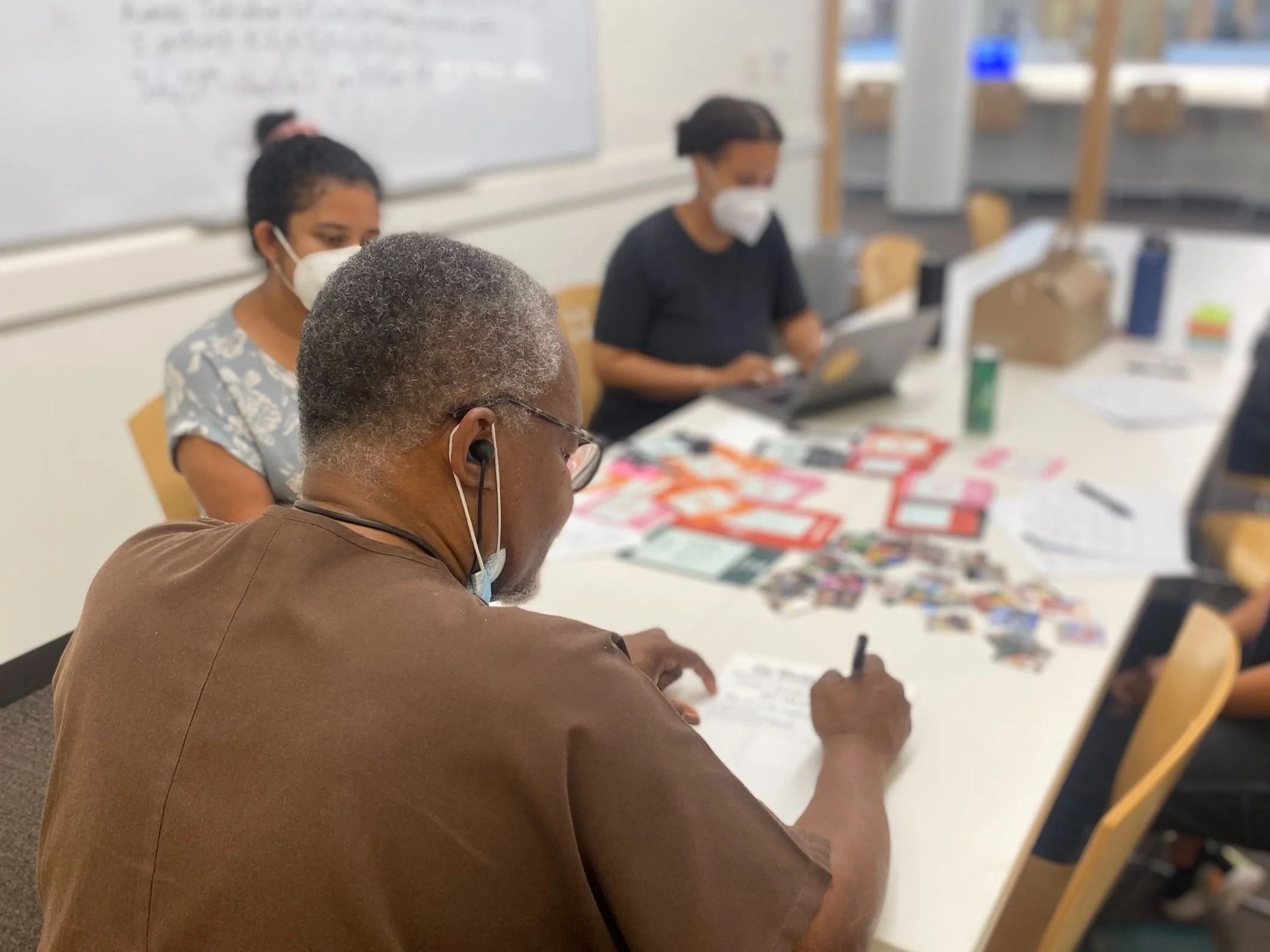
A community member shares their ideas with us by drawing them.

Pause & Reflect
Where did my expectations and the outcome diverge?
What would it look like to move forward from here?
How can we adapt the process or goals with care and clarity?
We know that everyone's experience is different.
If your emotions feel overwhelming, uncertain, or simply different from what we've described, we’d love to hear from you.
Reach out to us—we're here to navigate them together!