
Concern
Surfaces Risks & Sharpens Focus in Design
Concern often surfaces when expectations feel misaligned, stakes are high, or unfamiliar methods challenge conventional ways of working. These moments can reflect a deep investment in the success of the work and often signal important questions that need thoughtful attention.
When acknowledged, concern becomes a powerful checkpoint—an invitation to pause, realign, and ensure decisions are grounded in empathy and evidence. Ignoring it can lead to breakdowns in trust, confusion, or missed opportunities for clarity.
Throughout the design journey,
Concern might show up in different ways:

When goals feel ambiguous or the path forward isn’t clear.
When research methods, sample sizes, or insights feel unfamiliar.

When the resonance or feasibility of design directions is questioned.

When implementation or sustainability feels at risk or difficult to implement.
If you are feeling Concerned, consider:
Voicing it Early
Raising your concerns early can prevent misalignment and surface tensions before they grow.

Asking for Clarity
Whether it’s around research, scope, or direction—asking questions strengthens shared understanding.

Looking for Patterns
Sometimes it’s not just about the immediate issue, but a recurring pattern, power dynamic, or unmet need that deserves closer attention.

An Example from our Work
Concern calls for alignment
In one project, a client was unsure whether the small sample size of our research could truly support meaningful conclusions. Their hesitation reflected a broader pattern—an organizational culture more familiar with quantitative validation than qualitative insight. After observing a co-design workshop and participating in synthesis, they came to understand how HCD draws value from depth, not volume. Over time, they recognized that listening closely to lived experience revealed system-level patterns that data alone had not surfaced. Concern, in this case, helped us bridge worldviews and build lasting trust in the process.
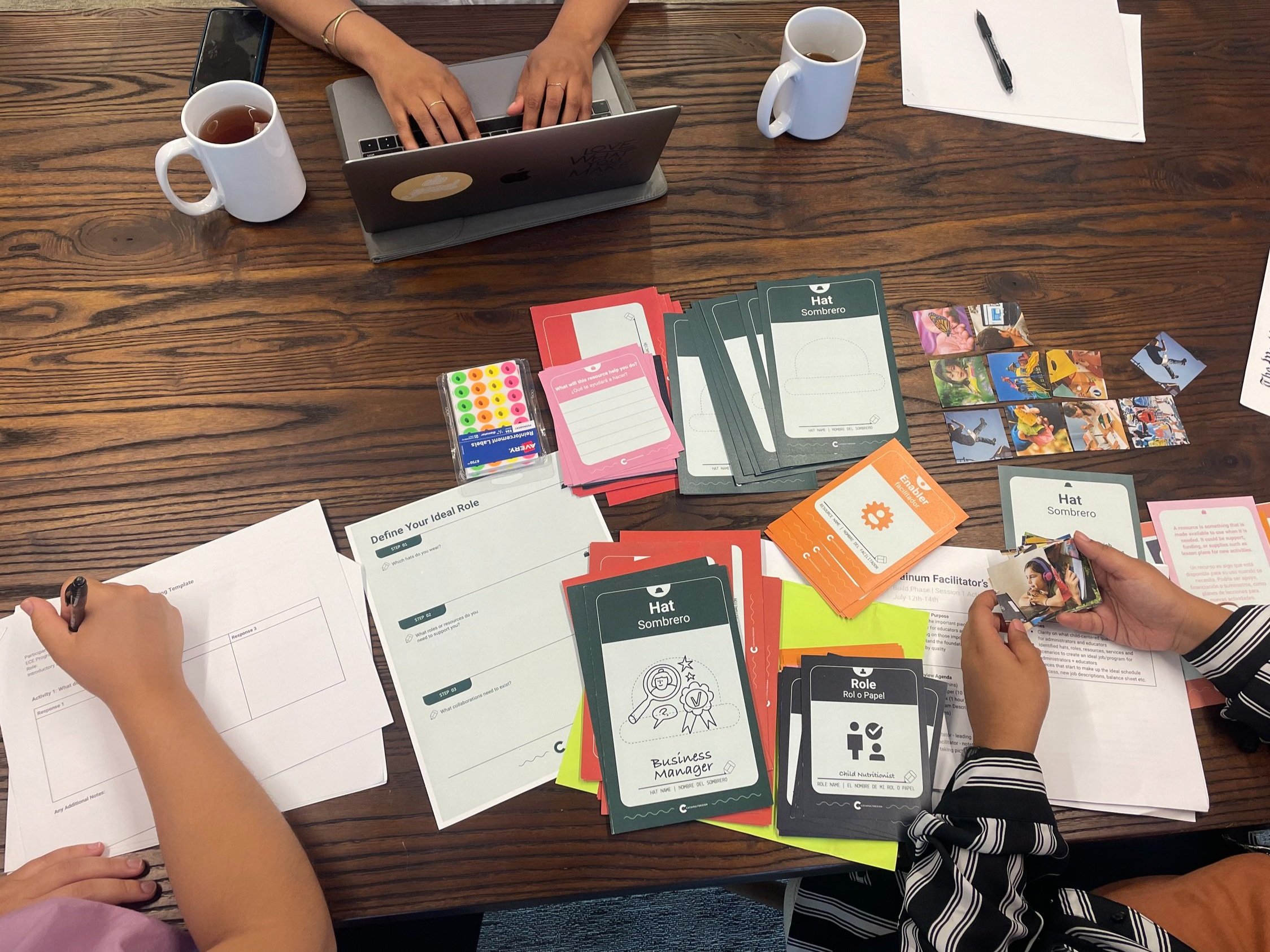
Workshops are facilitated using prompts, cards, and visual tools to guide dialogue and surface deeper insight.
Pause & Reflect
What’s at the root of my concern?
What clarity do I need to move forward confidently?

How can I share this in a way that invites dialogue?


We know that everyone's experience is different.
If your emotions feel overwhelming, uncertain, or simply different from what we've described, we’d love to hear from you.
Reach out to us—we're here to navigate them together!