Designing Intergenerational Spaces in Ciales, Puerto Rico
Partners: Wentworth Institute of Technology (WIT), KONTI Design, Centro de Acción Social
Location: Ciales, Puerto Rico
Year: 2026
Our Goal
How might we reimagine public spaces in rural Puerto Rico to better serve older adults?
As Puerto Rico's population ages, communities face growing challenges related to accessibility, mobility, infrastructure, and access to essential services, compounded by climate realities such as extreme heat, drought, and unreliable water and electricity.
Catapult Design partnered with Wentworth Institute of Technology (WIT) and the Centro de Acción Social in Ciales (a rural municipality in the mountains of Puerto Rico) to explore how community-centered architecture and design could create more inclusive, resilient, and vibrant spaces for people of all ages. The project aimed to bring students and residents together to identify local priorities and envision solutions grounded in the community's lived experiences, needs, and aspirations.
Our Work
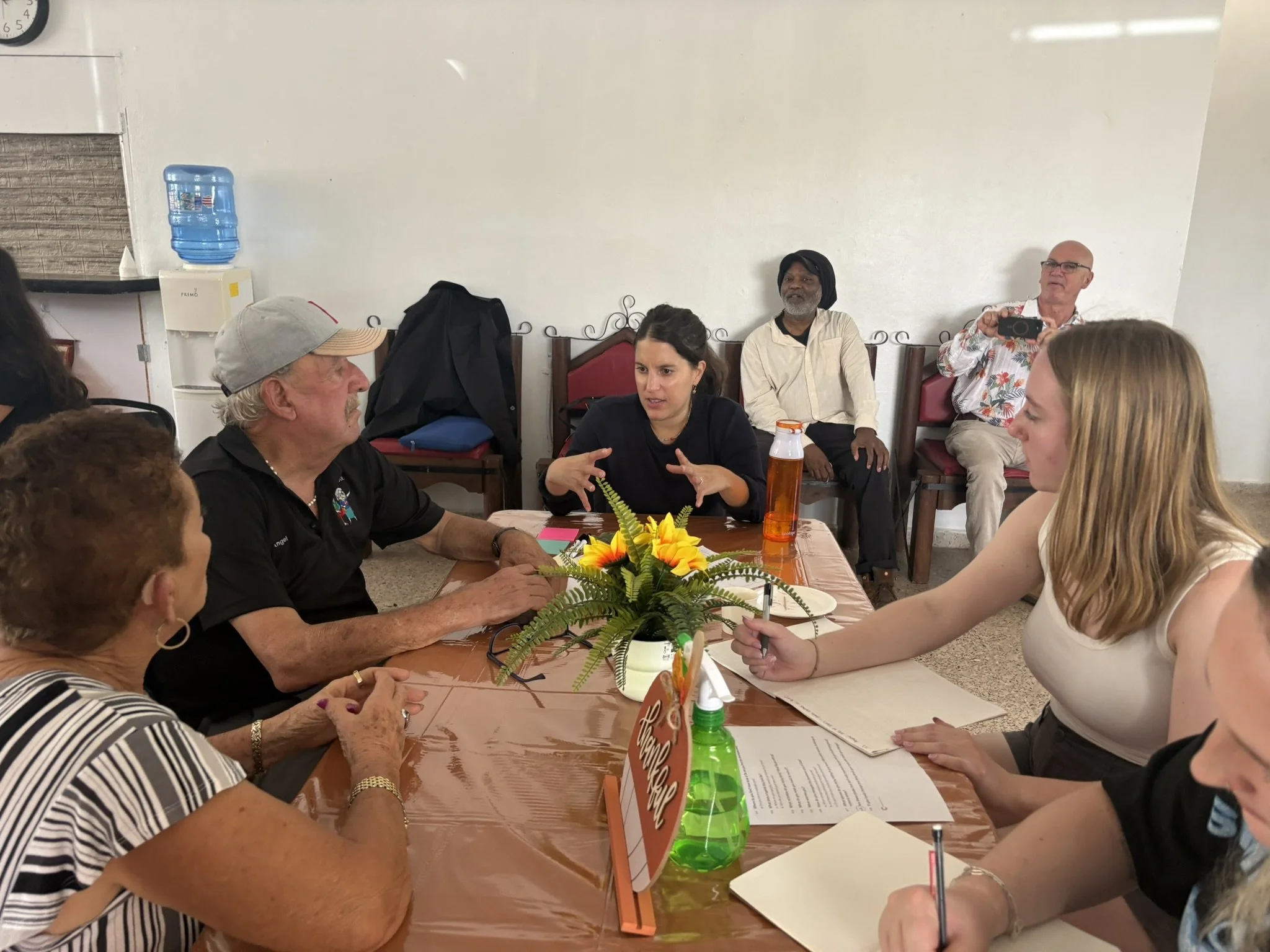
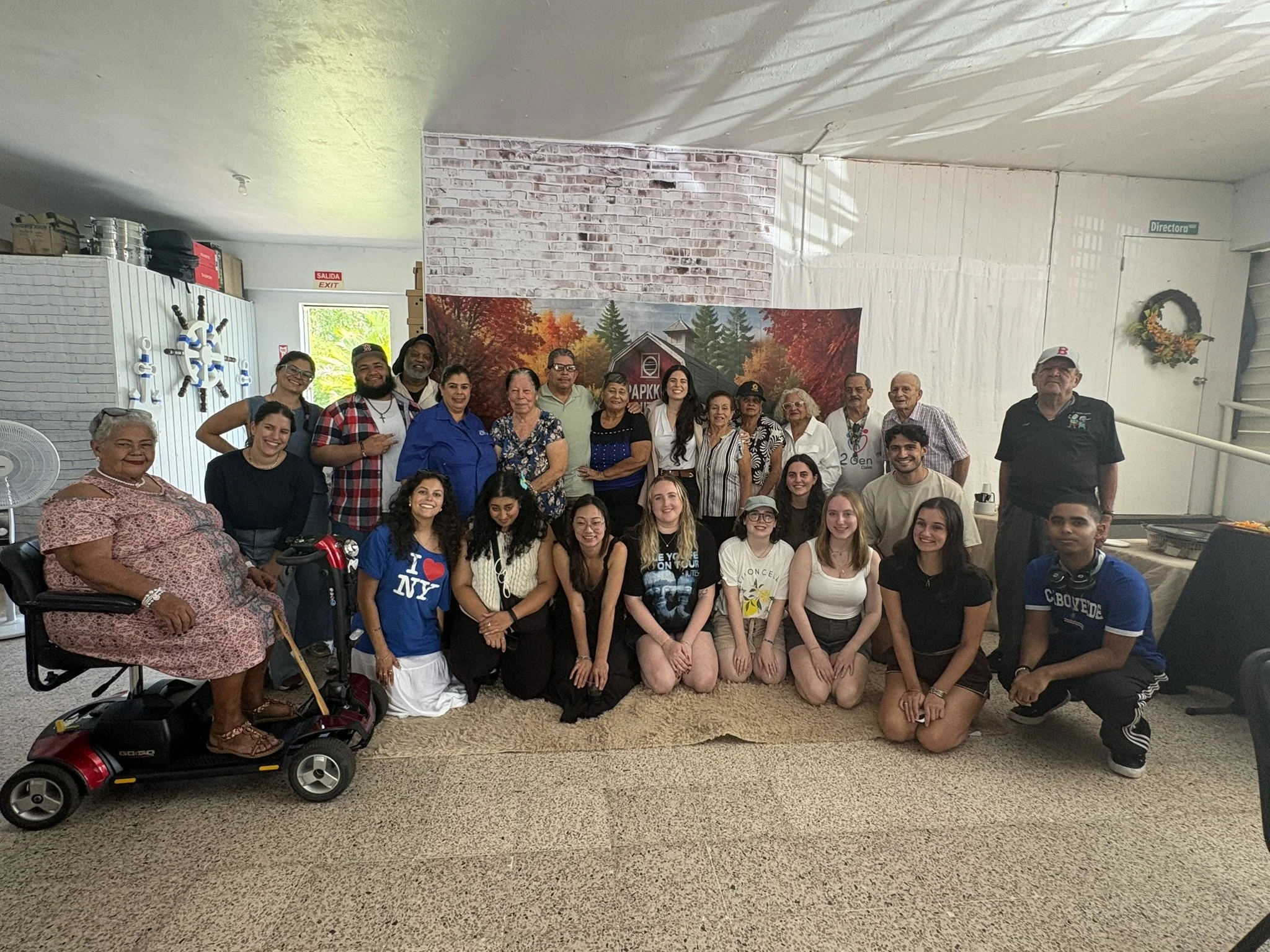
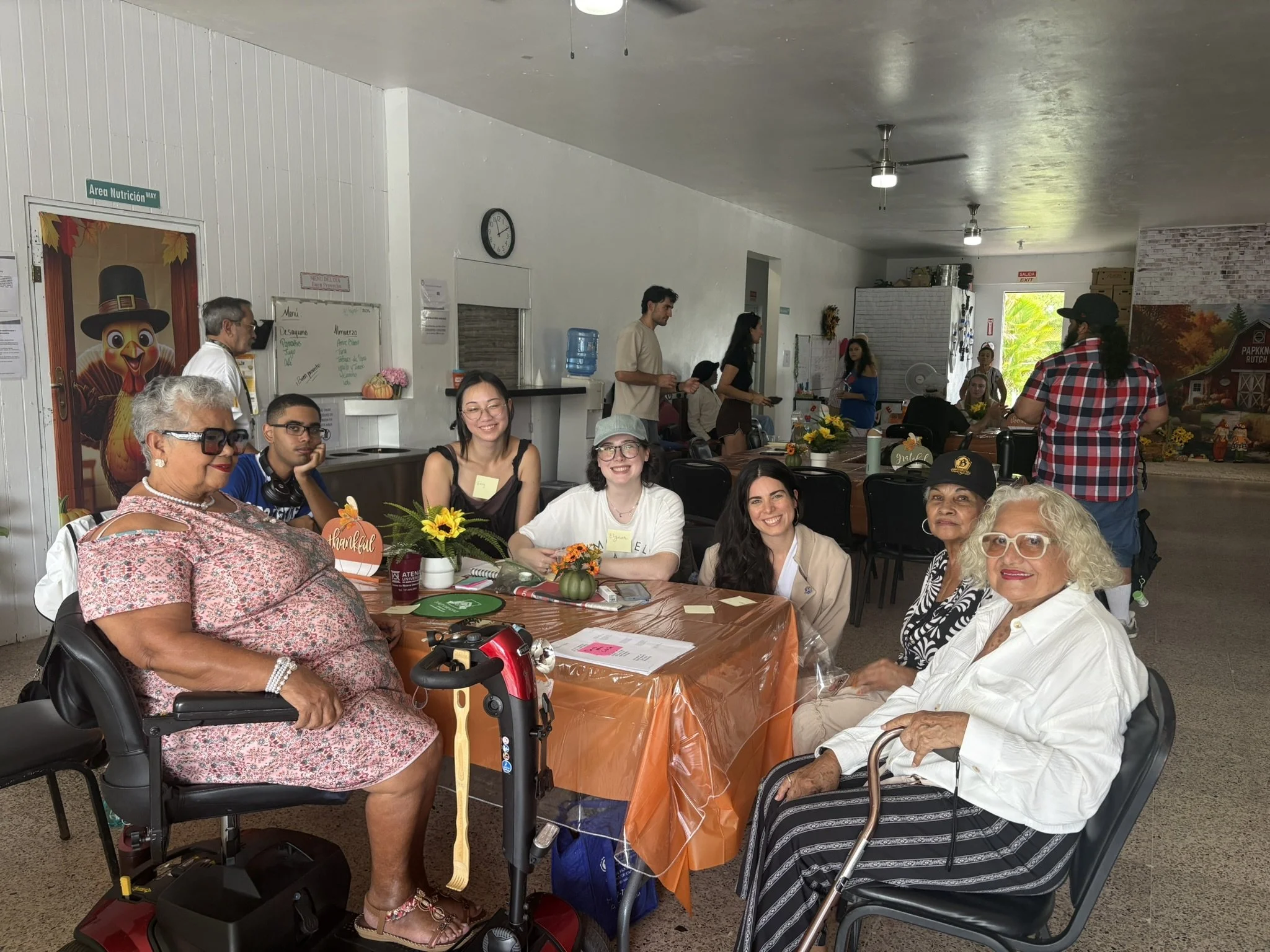
Catapult Design designed and facilitated a two-day participatory design experience, bringing together architecture students, older adults, caregivers and other community stakeholders.
We introduced students to human-centered design methodologies and community-led innovation, while creating opportunities for residents to share their perspectives and co-create with the students.
Twelve architecture students engaged directly with older adults at the Centro de Acción Social, exploring their daily routines, challenges, aspirations, and experiences navigating their community. Students synthesized their findings, identified key priorities, and worked with the participants to translate community insights into preliminary architectural concepts.
Outcomes
The workshop engaged approximately 60 participants and generated insights into the intersection of aging, accessibility, climate resilience, and community life in Ciales.
Participants identified priority areas, which included: deteriorating infrastructure and vacant buildings, unreliable water and electricity, preservation of cultural traditions and intergenerational knowledge, access to green spaces, and access to healthcare and essential services.
During the workshop, students and elderly participants co-developed four preliminary design concepts, including a reimagined public square, intergenerational community gardens, mixed-use buildings integrating housing and essential services, and the adaptive reuse of vacant buildings for community infrastructure.
Building on these community insights and priorities, WIT architecture students went on to develop conceptual designs as part of their coursework. These included senior living facilities designed to foster social connection, community gardens, reimagined bus stops that double as social gathering spaces, and broader urban redesign concepts that support the aging population.
These proposals demonstrated how architecture can support aging with dignity, strengthen intergenerational connections, and create more inclusive, climate-resilient communities. Furthermore, the project strengthened connections between students and community members and equipped future architects with practical participatory design methods and a local leadership mindset that can guide their approach to future projects.